If you’ve worked in customer insights for long, you’ve probably run into a common point of confusion. Many stakeholders think market research vs. user research is a distinction without a difference.
They’re not the same, but it’s easy to see why the confusion persists. Market research and UX research often use the same methods and target the same audiences. And each can produce insights that are useful to the other.
Still, market research and user research answer very different questions. They can work well together, but neither replaces the other. Knowing when to combine them and when to keep them separate helps you get the most from both.
Market Research vs. User Research: What’s the Difference?
If they use the same methods and reach the same people, how are they different? The answer lies in the questions each one asks.
- Market research asks what people will buy and who those people are.
- User research asks how people use a product and why they use it that way.
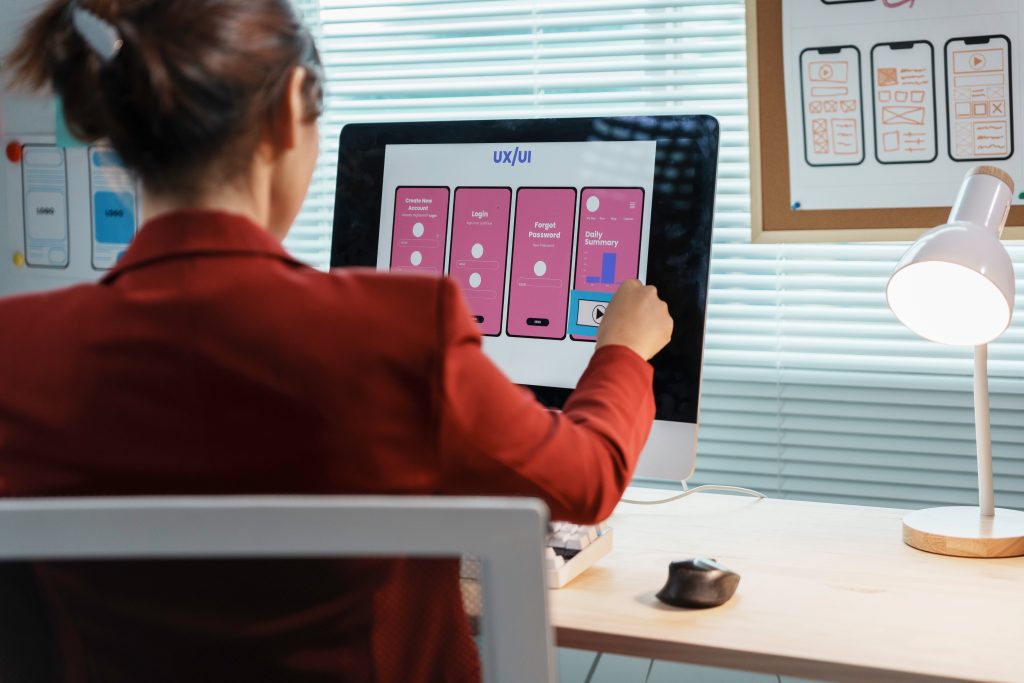
User Research
User research, often called UX or user experience research, has deep roots. Some trace its principles back to ancient Greek ergonomics or the Chinese practice of Feng Shui, which aimed to create intuitive, comfortable spaces.
User experience research got its modern name in the 1990s. Cognitive scientist Don Norman coined the term “user experience” and joined Apple in 1993 as a User Experience Architect.
UX research looks at how customers interact with a product. Specifically, it checks how well real-life use matches the product team’s assumptions. It asks questions like:
- What is the user trying to do?
- How well does the product work?
- What doesn’t work so well?
- Which needs does the product meet, and where does it fall short?
UX research usually involves in-depth work with small groups of people. When it comes to qualitative vs. quantitative research, its toolkit is mostly qualitative, including focus groups, in-depth interviews (IDIs), diary studies, ethnography, and usability testing. Many UX teams also use surveys, analytics, and A/B testing.
Market Research
Market research also focuses on customers, but through a different lens. It asks questions like:
- How do customers perceive product features, pricing, and brands?
- What drives their purchase decisions?
- What do demographic and psychographic factors reveal about how they’ll respond to a product or message?
Market research also covers broader topics, like the competitive landscape, industry trends, and market outlooks. Its toolkit covers both sides of the qualitative vs. quantitative research divide, with methods used separately or in combination depending on the project.
Complement, Don’t Compete
Neither user experience research nor market research can tell the whole story on its own. Each matters, and each can be useful at several points in a product’s life, sometimes at the same time.
Because they share methods and audiences, tension can develop over who owns a project or who gets resources. As in so many situations, transparency and communication are key. When teams understand what each type of research can and can’t do, they can collaborate effectively and share both insights and research outputs.
Know Your Neighbours
We all know silos hurt organizations. But they can still form naturally unless teams take steps to prevent them.
Do your user research and market research teams understand each other’s missions? Every team benefits when knowledge flows freely. Each team needs a basic understanding of the other’s work, so everyone can spot chances to collaborate. And cross-team consultation should be routine whenever it adds value.
The best way to prevent silos is regular communication. Sharing new insights and emerging questions encourages collaboration and builds trust.
Integrate, Don’t Duplicate
To non-researchers, similar methods, timing, and audiences can look like duplicated effort. That’s why it’s important to keep stakeholders clear on the difference between market research vs. user research.
That said, the two can overlap in ways that invite a combined project. When timing, methods, and audiences line up, don’t be afraid to collaborate. A blended design can deliver both user insights and market insights in one study.
Reach the Right Participants for Both
Whether you’re running a market study or a usability test, results depend on reaching the right people. Quest Mindshare’s B2B and consumer panels help researchers find qualified participants for both market research and user research projects.